Innovative Advanced Vertical Farming Systems
- Bangsai Agricultural Center
- Apr 27
- 4 min read

Vertical farming is reshaping how we think about agriculture. As the world’s population grows and urban areas expand, traditional farming methods face increasing challenges. That’s why I’m excited to share insights into innovative advanced vertical farming systems that are transforming food production. These systems offer scalable, efficient, and sustainable solutions that can revolutionize how crops are grown, especially in regions like Thailand and beyond.
Let’s dive into the world of vertical farming and explore how these cutting-edge technologies can empower agricultural businesses and commercial growers to meet future demands.
What Are Advanced Vertical Farming Systems?
Advanced vertical farming systems are high-tech agricultural setups where crops are grown in vertically stacked layers, often inside controlled environments. Unlike traditional farming, these systems use less land and water, reduce transportation costs, and allow year-round production.
Here’s what makes these systems stand out:
Controlled Environment Agriculture (CEA): Temperature, humidity, light, and nutrients are precisely managed.
Hydroponics, Aeroponics, and Aquaponics: Soil-free growing methods that maximize resource efficiency.
LED Lighting: Energy-efficient lights that mimic sunlight and optimize photosynthesis.
Automation and AI: Sensors and software monitor plant health and adjust conditions in real-time.
These features combine to create a farming method that is not only space-saving but also highly productive and sustainable.

Benefits of Using Advanced Vertical Farming Systems
Why should agricultural businesses consider adopting these systems? The benefits are compelling:
Maximized Space Usage: Vertical stacking allows more crops per square foot.
Water Efficiency: Uses up to 90% less water than traditional farming.
Reduced Pesticide Use: Controlled environments minimize pest exposure.
Consistent Crop Quality: Stable conditions lead to uniform produce.
Year-Round Production: No dependence on seasons or weather.
Local Production: Reduces transportation emissions and delivers fresher products.
For example, a commercial grower in Bangkok could use vertical farming to produce fresh leafy greens all year, regardless of the rainy season. This means steady supply and better market prices.
Key Components of Innovative Commercial Vertical Farming Systems
To build or invest in a successful vertical farm, understanding the core components is essential. Here’s a breakdown:
1. Growing Structures
These are the physical frameworks where plants grow. They can be:
Shelving units: Simple racks for small-scale farms.
Tower systems: Cylindrical towers that maximize vertical space.
Container farms: Shipping containers retrofitted for farming, ideal for urban areas.
2. Growing Medium and Nutrient Delivery
Instead of soil, many systems use:
Hydroponics: Nutrient-rich water solutions.
Aeroponics: Nutrient mist sprayed on roots.
Aquaponics: Combines fish farming with plant cultivation.
Each method has pros and cons, but all aim to deliver nutrients efficiently and reduce waste.
3. Lighting Systems
LED grow lights are the backbone of indoor vertical farms. They provide:
Customizable light spectra to optimize plant growth.
Energy efficiency to reduce operational costs.
Long lifespan for durability.
4. Environmental Controls
Sensors and automation systems regulate:
Temperature
Humidity
CO2 levels
Light cycles
This ensures plants grow in ideal conditions, boosting yield and quality.
5. Data and Automation
Modern farms use software platforms to:
Monitor plant health
Track growth rates
Predict harvest times
Automate watering and nutrient delivery
This reduces labor costs and improves precision.
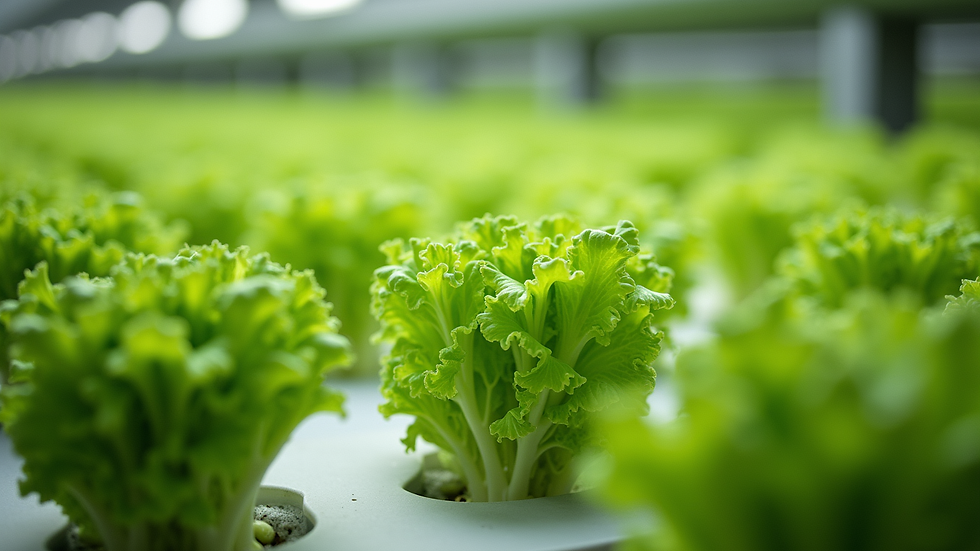
How to Implement Advanced Vertical Farming Systems Successfully
Starting a vertical farm or upgrading an existing one requires careful planning. Here’s a step-by-step guide:
Step 1: Assess Your Goals and Resources
Define what crops you want to grow.
Calculate available space and budget.
Consider local climate and market demand.
Step 2: Choose the Right System
For leafy greens and herbs, hydroponics or aeroponics work well.
For larger crops, consider container farms or tower systems.
Evaluate energy costs and water availability.
Step 3: Design Your Farm Layout
Optimize vertical space.
Plan for easy access and maintenance.
Integrate lighting and environmental controls.
Step 4: Invest in Quality Equipment
Select reliable LED lights.
Use durable growing racks.
Implement sensors and automation tools.
Step 5: Train Your Team
Educate staff on system operation.
Monitor plant health regularly.
Adjust parameters based on data insights.
Step 6: Monitor and Optimize
Use data analytics to improve yields.
Experiment with nutrient mixes and light cycles.
Stay updated on new technologies.
By following these steps, you can build a resilient and productive vertical farm that meets modern agricultural demands.
The Future of Food Production with Vertical Farming
The potential of vertical farming goes beyond just growing plants indoors. It represents a shift toward sustainable, efficient, and localized food production. As technology advances, we can expect:
Integration with renewable energy to reduce carbon footprints.
AI-driven farming for even greater precision.
Expansion into urban centers to shorten supply chains.
Collaboration with research centers to develop new crop varieties.
If you want to explore how commercial vertical farming systems can fit into your business model, now is the perfect time. These systems are not just a trend but a vital part of the agricultural future.
Embracing Innovation for Sustainable Growth
Adopting innovative advanced vertical farming systems is a smart move for any agricultural business aiming to thrive in a changing world. These systems offer:
Scalability to grow with your business.
Efficiency that cuts costs and conserves resources.
Sustainability that aligns with global environmental goals.
By investing in these technologies, you’re not only improving your bottom line but also contributing to a healthier planet and food-secure future.
Let’s embrace this exciting transformation together and lead the way in modern agriculture. The future of farming is vertical, advanced, and sustainable. Are you ready to take the leap?

Comments